Seventy-two years, three continents, two world wars. Entries from his life run
alongside the events of the wider world.
- 1888
17 April: born in Kraków, in the Austrian partition. Orphaned early, among five siblings.
- ~1906
Rome: preparation for the priesthood (Academia dei Nobili Ecclesiastici) – a swift resignation.
- 1906–11
Paris, the Sorbonne – doctorate in literature (reputedly the youngest in the university’s history); financed by Count Władysław Zamoyski.
- 1909
Meets Joseph Conrad – the beginning of one of the great friendships of his life.
- 1910–11
London, LSE; founds the one-man “Polish Bureau” – an office for the Polish cause.
- 1912
Marries Otolia Zubrzycka.
- 1914
Arranges Conrad’s return visit to Poland – just before the outbreak of war; both barely escape the continent.28 July – outbreak of the First World War
- 1914–18
Unofficial ambassador of the Polish cause in London and Paris; failed mission to the USA (“the greatest debacle for me”).
- 1916–17
The Sixte affair: secret attempts at a separate peace between the Entente and Austria-Hungary (contacts: Sixte de Bourbon-Parma, the Jesuit general Ledóchowski).
- 1918
Expelled from France; nervous breakdown, the end of his marriage, a suicide attempt. Flight through Spain and Cuba to Mexico.11 November – end of the war; Poland regains independence
- 1919–28
Mexico: adviser to Luis Morones and presidents Obregón and Calles; oil policy and the idea of nationalisation.
- 1925
Arrested in St. Louis (“for not being Józef Retinger”) – about 4 months in jail.
- 1920s
Meets Gen. Władysław Sikorski (through the trade-union movement, Edo Fimmen).
- 1931/33
Death of his second wife, Stella Morel.
- 1936
The Morges Front: liaison between the opposition (Sikorski, Witos, Paderewski, Korfanty, Haller) and the British Labour Party.
- 1939
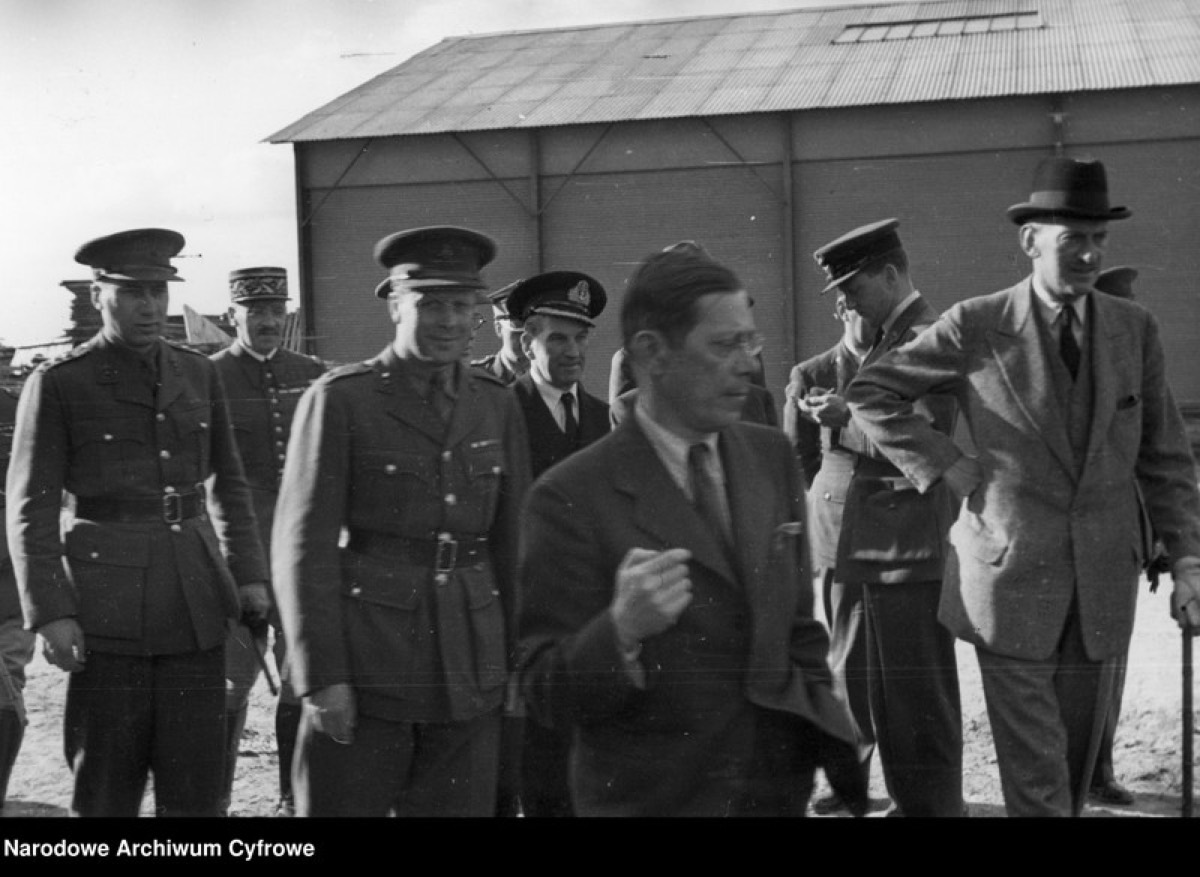
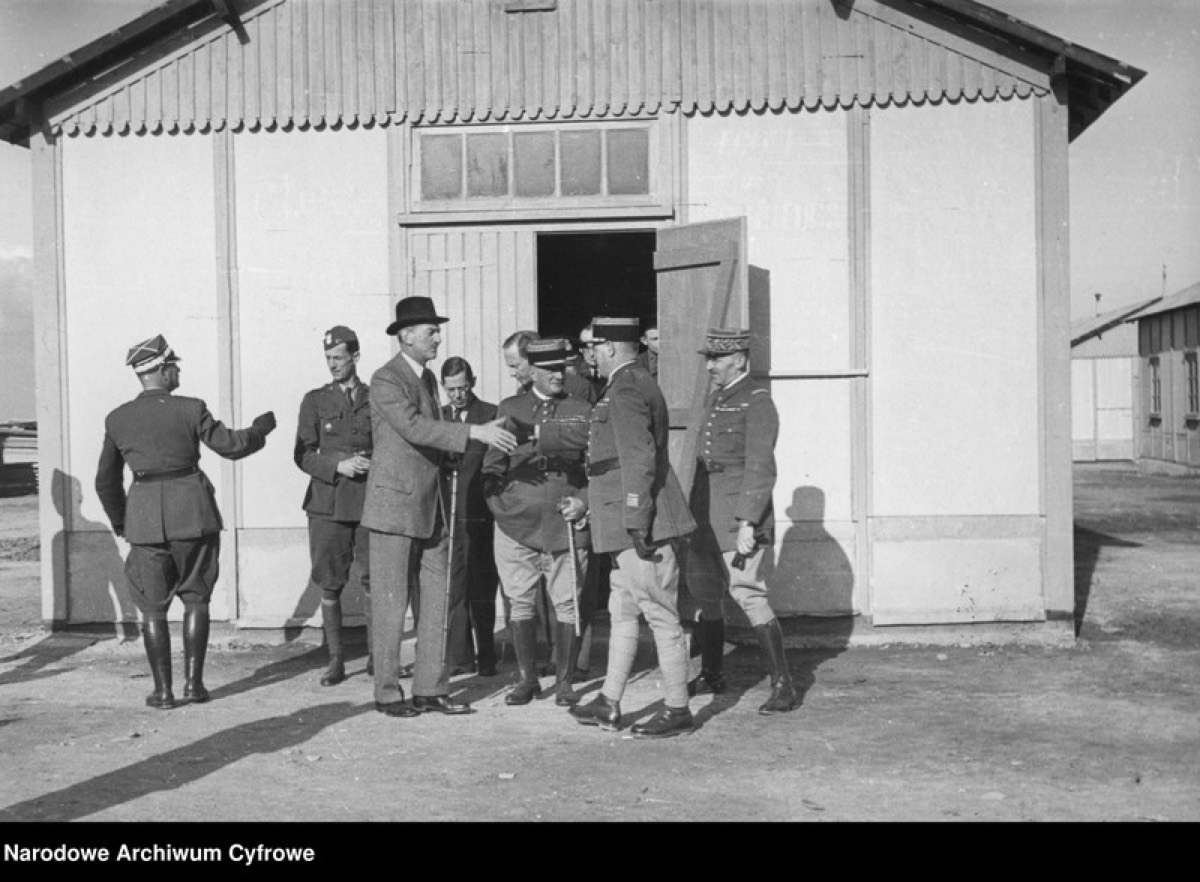
September: Sikorski becomes premier of the government-in-exile; Retinger his adviser on propaganda – the only official post of his life.1 September – outbreak of the Second World War
- 1940
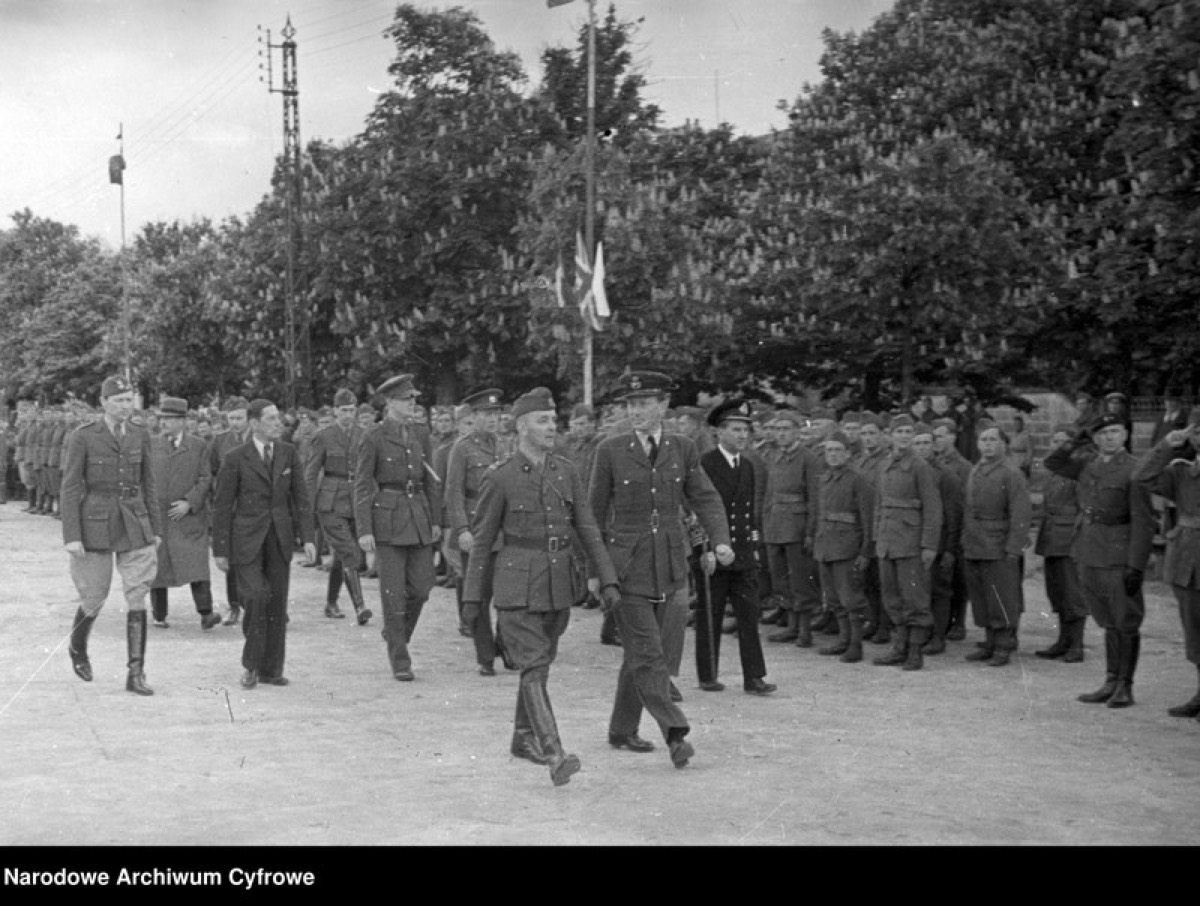
17–18 June: the daring rescue of Sikorski from Bordeaux – “To have lunch with you”.The fall of France
- 1941
The Sikorski–Maisky pact; August: mission to Moscow as chargé d’affaires; talks on freeing the deported Poles.Germany attacks the USSR
- 1940–43
Architect of the plans for a Polish–Czechoslovak confederation – torpedoed by Beneš and Moscow.
- 1943
4 July: the Gibraltar crash – Sikorski’s death. Retinger was to be aboard; there was no seat.
- 1944
April: parachute jump into occupied Poland (Operation “Salamander”), aged 56, untrained. Home Army counter-intelligence plans his liquidation: a shooting attempt, then poison.
- 1944
25/26 July: evacuation from a waterlogged field (Operation “Most 3 / Wildhorn III”) – take-off on the fourth attempt.1 August – outbreak of the Warsaw Rising
- 1946
Founds the European League for Economic Cooperation.Churchill’s Fulton and Zurich speeches
- 1947
The Liaison Committee – joining the rival federalist movements.The Marshall Plan
- 1948
7–10 May: the Congress of Europe in The Hague – 740 delegates, Churchill as speaker, Retinger the “spiritus movens”.
- 1949
The Treaty of London – the Council of Europe is born.NATO is founded
- 1952
Leaves the European Movement; begins assembling confidential meetings of elites from both sides of the Atlantic.The ECSC – the Coal and Steel Community – starts work
- 1954
May: the first conference at the Hotel De Bilderberg (Oosterbeek, Netherlands) – the birth of the Bilderberg Group; Retinger secretary general.
- 1954–59
Further conferences: France, Germany, Denmark, USA, Italy, Great Britain, Turkey.1957 – the Treaties of Rome: the EEC is born
- 1958
Nomination for the Nobel Peace Prize.
- 1960
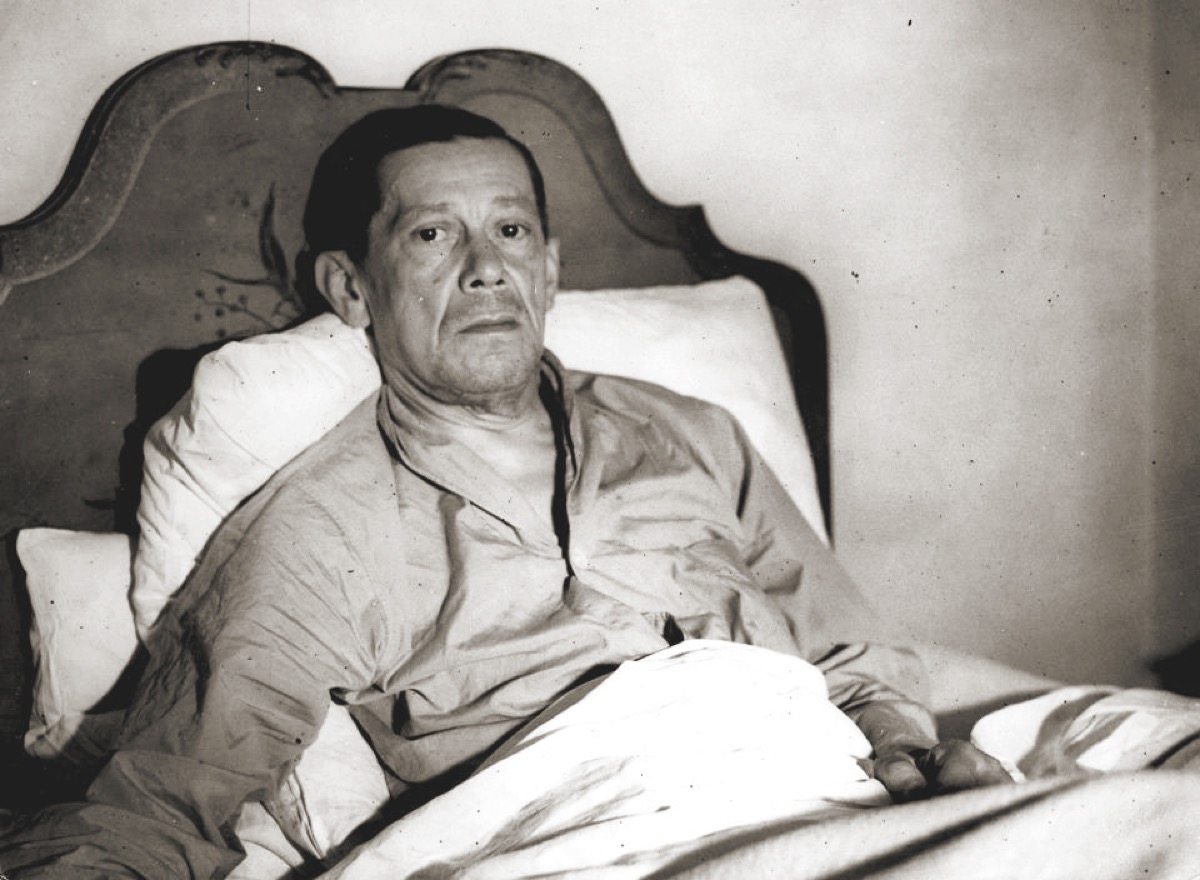
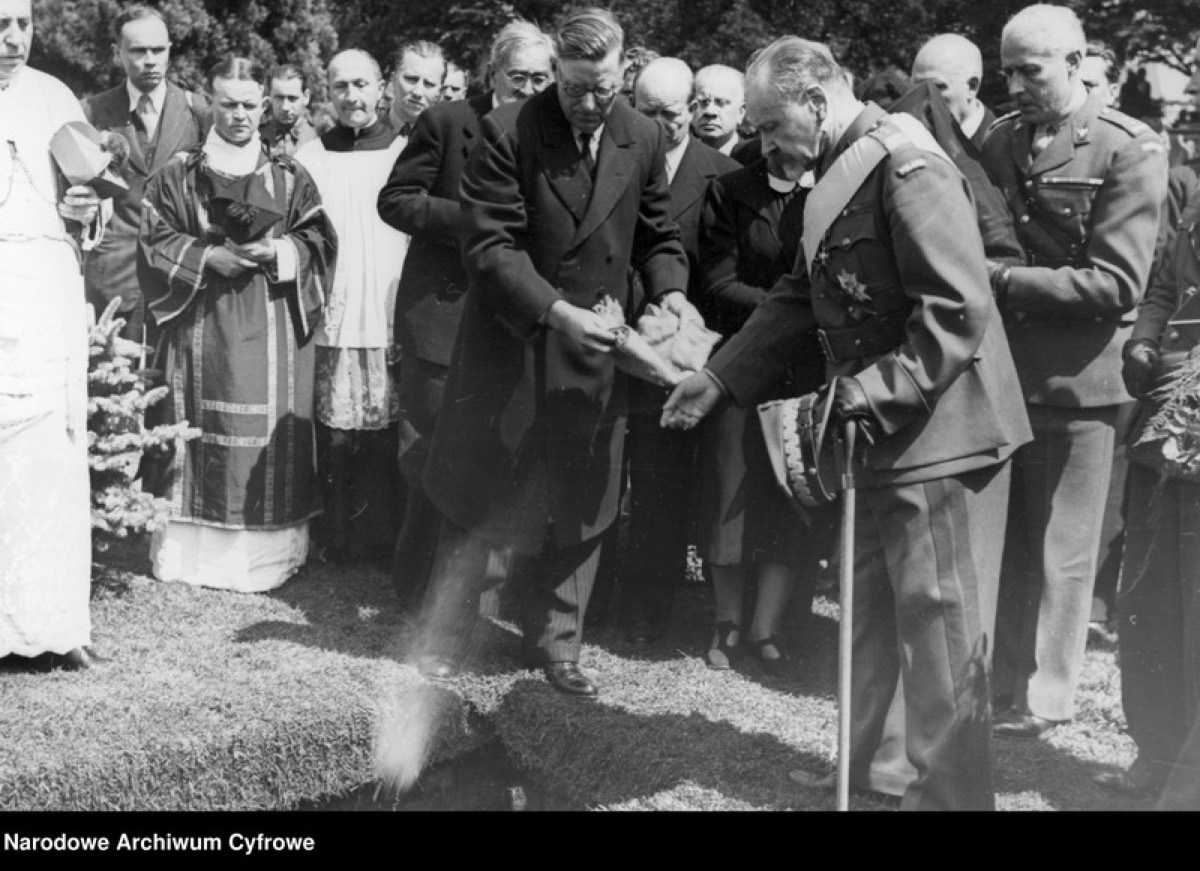
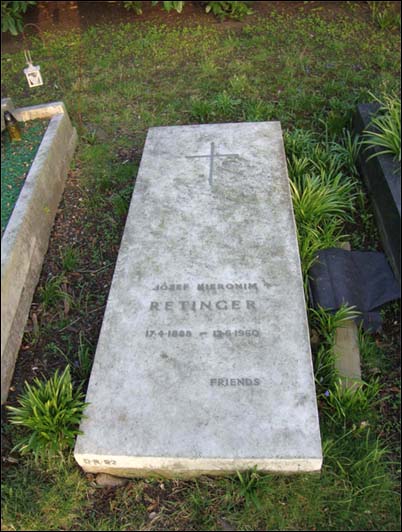
12 June: dies in London (lung cancer), in poverty; funeral at East Sheen Cemetery attended by generals Anders and Kukiel; his library bequeathed to the Jagiellonian University.